
Your Calm Corner: How to Create a Soothing Space for Online Therapy at Home
Your Calm Corner: How to Create a Soothing Space for Online Therapy at Home
Creating a calm, welcoming space for your online therapy at home can feel harder than it should. Distractions pile up, and finding a spot that truly supports your emotional safety feels out of reach. This guide will help you create a calming therapy space that suits your unique needs—whether you’re neurodivergent, part of the LGBTQIA+ community, or simply seeking peace during your sessions. Let’s explore how to shape your own calm corner, wherever you are.
Creating Your Calm Therapy Space
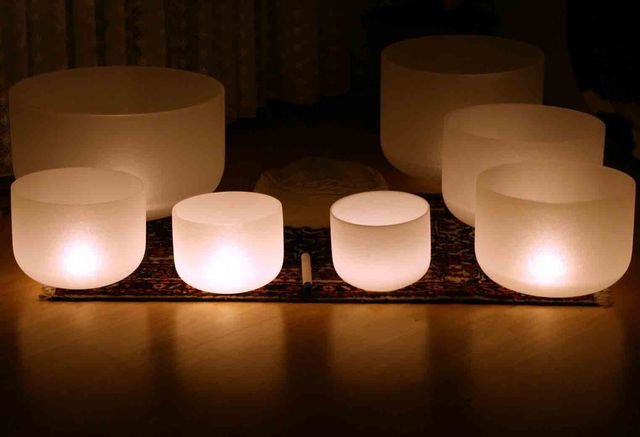
Finding the right space can set the tone for your therapy sessions. It’s about creating a haven that welcomes you each time.
Finding the Perfect Spot
Start by choosing a spot where you feel most at ease. This might be a quiet corner of your room or a cozy nook by the window. Make sure the area feels private and is away from high-traffic parts of your home. Rearrange furniture if needed to carve out a dedicated space. Sometimes, a small change can make a big difference. Good lighting is essential, so try to position yourself near natural light or a soft lamp.
Consider the temperature and airflow. You want a spot that’s neither too hot nor too cold. It might help to have a small fan or heater nearby. Your comfort is key in making the space truly yours. If you’re sharing your home, communicate your need for privacy during your therapy time. A simple “do not disturb” sign on your door can work wonders.
Reducing Distractions and Clutter
Distractions can break your focus and hinder the session’s effectiveness. Begin by decluttering your chosen area. Keep only what is necessary within reach. A tidy space often leads to a tidy mind. Use organizers or baskets to keep items in place. Noise can be a significant distraction, so try to minimize it by using noise-cancelling headphones or a white noise machine.
If possible, schedule your sessions during quieter times at home. Make others aware of your therapy schedule to minimize interruptions. Visual distractions like clutter or bright colours can also be a challenge. Consider using a screen or curtain to create a barrier between you and any potential distractions. With a little planning, your space can quickly become your personal sanctuary.
Designing a Neurodivergent-Friendly Environment
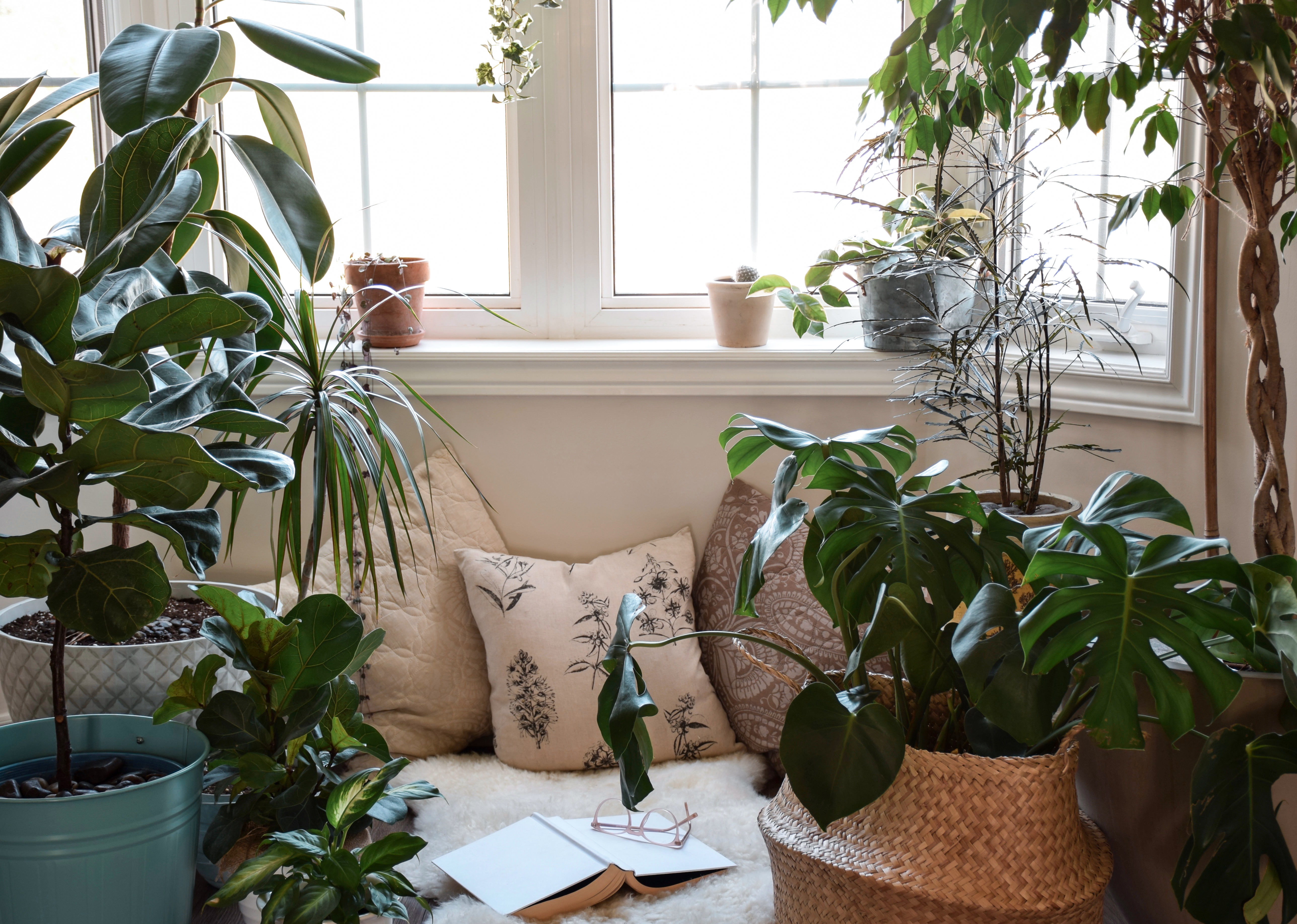
Creating a welcoming space for neurodivergent individuals means paying attention to sensory and comfort needs. Each person’s requirements will be different.
Sensory Considerations
Sensory preferences are unique, so it’s important to adapt the environment to suit your needs. Some people find soft textures soothing, while others prefer smooth surfaces. Experiment with different materials like plush cushions or a cool, smooth desk. Lighting is another factor; some prefer dim lighting, while others thrive in bright spaces. Adjustable lamps can provide flexibility.
Consider the scents in your space. Aromatic candles or essential oils can be calming, but they’re not for everyone. If scents are distracting, try unscented items. Additionally, consider the sounds around you. Background music or nature sounds can be grounding, but silence might be preferable for some. Find what calms your senses and enhances your focus.
Personal Comfort and Safety
Your comfort in therapy is paramount. Start with a comfortable chair that supports you well. If you feel physically at ease, your mind will likely follow. Your attire also plays a role; wear something that makes you feel relaxed yet presentable. It’s about finding your balance between comfort and readiness.
Safety is also about emotional security. Make sure you feel safe to express yourself in this space. Personalize it with familiar objects or small mementos that bring joy and comfort. This could be a photo, a plant, or a piece of art. These items can serve as anchors, reminding you of your strength and journey.
Embracing Holistic and Inclusive Approaches
Holistic approaches can enrich your online therapy experience. They add layers to traditional therapy methods.
Integrating Nature and Sound Therapy
Nature has a profound impact on our well-being. If possible, bring elements of nature into your space. A small plant, a bowl of stones, or a water fountain can create a soothing atmosphere. Sound therapy is another tool that can enhance your sessions. Consider soft background music or nature sounds to create a calming environment.
Research suggests that natural sounds can lower stress levels significantly. Integrating these elements can make your space feel like an oasis. Sound therapy can also include guided meditations or calming podcasts. Find what resonates with you and supports your therapeutic goals.
LGBTQIA+ Affirming Counselling Practices
Creating an affirming space means acknowledging and celebrating identities. Ensure your environment reflects this inclusivity. Display symbols of pride, such as a rainbow flag or an affirming quote. These serve as reminders of your strength and identity.
Remember, therapy is a space where you should feel seen and heard. Anam Cara Therapy is committed to providing affirming and inclusive support. By creating a space that aligns with your values and identity, you’re reinforcing the importance of authenticity in your healing journey.
In conclusion, the key to a calming therapy space lies in personalizing each element to suit your needs. This journey is about creating a sanctuary where you feel empowered, understood, and ready to explore your path to well-being.