
Why Breathing Exercises Are Effective Tools for Anxiety Relief
Why Breathing Exercises Are Effective Tools for Anxiety Relief
Breathing exercises for anxiety offer a simple way to ease the tension that builds in your body and mind. When anxiety strikes, your breath often becomes shallow and quick, feeding the cycle of worry. Learning techniques like diaphragmatic breathing or box breathing can calm your nervous system and bring a sense of steady control. In this post, you’ll find easy steps to try right now and understand why breathwork plays a powerful role in anxiety relief. For more information, see this guide on breathing exercises for stress.
How Breathing Calms Anxiety
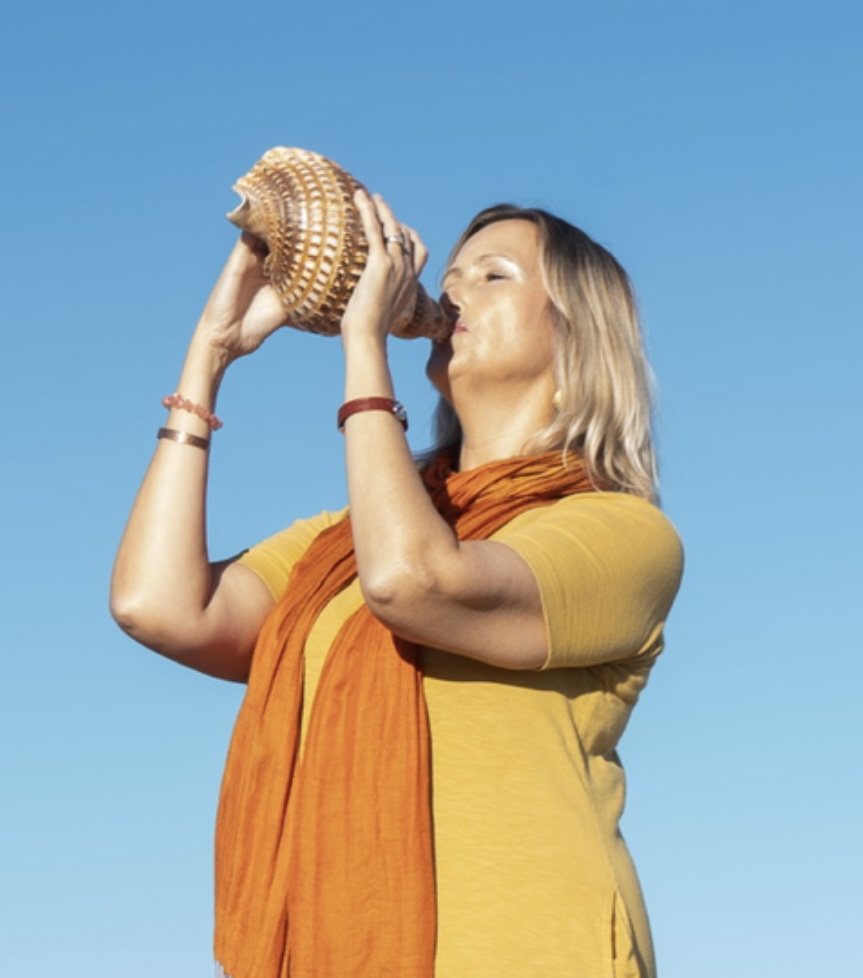
Breathing deeply can be a powerful ally against anxiety. By tapping into specific techniques, you can find relief and regain your calm. This approach not only soothes the mind but also nurtures your body.
Breathwork for Anxiety Relief
Breathwork offers a direct way to ease anxiety’s grip. When anxious, your breathing tends to be shallow. By consciously breathing deeper, you signal your body to relax. Imagine a wave of calm spreading with each breath. This shift can break the cycle of anxiety.
Engaging in breathwork creates a mini oasis. Picture a moment where tension fades, replaced by peace. As you practice, you build a toolkit to handle stress. Consistency is key, turning breathwork into a habit that supports your well-being.
Vagus Nerve Stimulation
Stimulating the vagus nerve can help soothe anxiety. This nerve plays a crucial role in calming the nervous system. You might wonder how to activate it. The answer lies in your breath. Slow, deliberate breathing can engage this nerve, promoting relaxation.
Think of it as pressing a reset button. By focusing on your breath, you’re tapping into your body’s natural calming mechanisms. Over time, this practice can enhance your resilience against stress and anxiety. For a deeper dive, explore this article.
Simple Techniques to Try
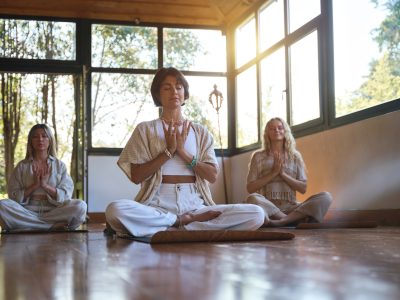
Ready to explore some breathing techniques? These are simple yet effective. Each method offers a unique way to find calm and regain control.
Diaphragmatic Breathing Explained
Diaphragmatic breathing is a cornerstone of relaxation. It’s about breathing deeply, using your diaphragm. This type of breathing fills your lungs fully, promoting oxygen flow and reducing tension.
Find a Comfortable Position: Sit or lie down, and place a hand on your belly.
Inhale Deeply: Breathe in through your nose, feeling your hand rise as your belly expands.
Exhale Slowly: Release the breath through your mouth, noticing your hand fall.
This technique creates a rhythm that calms the mind. Regular practice can enhance your body’s natural relaxation response.
How to Practice Box Breathing
Box breathing is a structured method to calm the mind. It’s simple to remember and easy to do anywhere. Here’s how:
Inhale: Breathe in through your nose for four counts.
Hold: Keep your breath for four counts.
Exhale: Release through your mouth for four counts.
Pause: Hold your breath again for four counts.
This cycle can be repeated several times. It’s like drawing a square with your breath, offering a steadying pattern that promotes calm.
The 4-7-8 Breathing Method
The 4-7-8 method is another powerful tool. It’s designed to help you relax quickly, especially useful in moments of anxiety.
Inhale: Breathe in quietly through your nose for four counts.
Hold: Keep your breath for seven counts.
Exhale: Let it out through your mouth for eight counts.
This method is like a tranquiliser for your nervous system. It’s a great way to end your day on a calm note.
Seeking Support and Therapy

While breathing exercises are valuable, seeking additional support can be crucial. Therapy offers a space to explore and manage anxiety effectively.
Holistic Therapy for Anxiety
Holistic therapy considers your whole self—mind, body, and spirit. Techniques like sound therapy and nature therapy can complement traditional methods.
These therapies offer unique ways to find balance. Imagine the soothing vibrations of sound or the calming embrace of nature. They provide a pathway to deeper healing.
Online Therapy and Counselling Options
Online therapy brings support to your fingertips. It’s convenient and accessible, allowing you to access help from anywhere.
Consider online counselling as a flexible option. You can fit it into your schedule and connect with a therapist who understands your needs. This approach meets you where you are, offering comfort and support.
Clinical Supervision for Therapists
Therapists can benefit from clinical supervision. It provides guidance and support, enhancing their ability to help others.
Supervision fosters growth and learning. It’s a space to reflect and refine skills, ultimately benefiting clients. This collaborative process strengthens the therapeutic relationship.
🌿🧘♀️✨
For more insights on anxiety relief, explore this research on effective techniques.