
How to prepare your home for private and effective online therapy sessions
How to prepare your home for private and effective online therapy sessions
Finding a quiet, private spot at home for your online therapy can feel trickier than it sounds. Without the right environment, it’s hard to fully relax and open up. This guide will help you prepare for online therapy with practical tips to create a secure, comfortable space where you can focus on what truly matters—your wellbeing.
Creating a Private Therapy Space

Creating a private space can be transformative for your therapy journey. Let’s explore the steps to make this happen.
Choosing the Right Location
Start by finding a spot where you feel at ease. This could be a cozy corner in your bedroom or a tucked-away space in the living room. The key is to choose a place that feels safe and free from distractions. If you have multiple options, test them out: observe where you feel most comfortable and focused. A dedicated space can enhance your sessions, making them more productive. Remember, your therapy space doesn’t have to be big; it’s about the peace it brings you.
Ensuring Privacy and Boundaries
Privacy is crucial for effective therapy. Consider hanging a “Do Not Disturb” sign on your door during sessions. It’s a simple way to signal to others that you need time alone. You might also use headphones to maintain privacy and reduce background noise. If you’re worried about interruptions, communicate your needs to those you live with. Most people understand the importance of privacy and will respect your boundaries if asked. These small steps help create a secure environment, allowing you to speak freely during your sessions.
Sensory Comfort and Atmosphere
The atmosphere of your therapy space can impact how you feel. Think about lighting: natural light can be calming, but if it’s too bright, consider adjustable lamps. Adding a few personal touches, like a soft blanket or a favourite piece of art, can make your space more inviting. Pay attention to scents and sounds too. A gentle scent from a candle or a low-volume playlist can help set a relaxing tone. These elements work together to create a comforting space where you can focus on your therapy without external stressors.
Tech Set-Up for Online Therapy
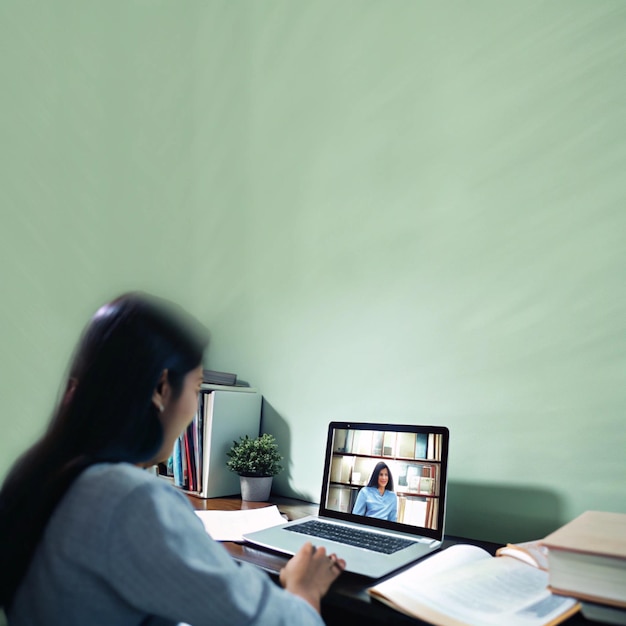
With your space ready, let’s move onto the tech side of things. A reliable setup ensures smooth sessions.
Secure Video and Audio Platforms
Using a secure platform is essential. Look for services offering end-to-end encryption to keep your conversations private. Platforms like Doxy.me and others recommended by your therapist are great choices. Always check for any software updates before your session. This keeps your device secure and your application running smoothly. Security is not just about encryption, but also about using a platform you trust. Feeling safe with your technology helps you focus on your therapy, not potential tech issues.
Reliable Internet Connection
A strong internet connection is vital. Test your connection speed before each session to avoid interruptions. If your Wi-Fi is weak, consider plugging your device directly into your router with an Ethernet cable. This can offer a more stable connection. Remember, having a backup plan, like using mobile data if Wi-Fi fails, can save the day. Consistent connectivity ensures your therapy sessions are smooth and uninterrupted, allowing you to keep your focus where it matters.
Tech Troubleshooting Tips
Tech issues can pop up when you least expect them. Keep a checklist of quick fixes handy. This can include restarting your device, checking your internet connection, or closing unnecessary programs. If you’re new to using online therapy platforms, try a test call with a friend to familiarize yourself with the features. Being prepared for minor tech hiccups reduces stress. Remember, your therapist is often able to help with these issues, and sessions can always be rescheduled if needed.
After-Session Care and Reflection

After your session, taking time to reflect and decompress is as important as the session itself.
Personal Reflection Practices
Reflection can deepen your therapy work. After each session, take a moment to jot down any key insights or feelings that arose. This can be done in a journal or even as a voice note. Reflecting helps you track your progress and prepares you for future sessions. It’s a personal time to process what you’ve discussed and consider how it applies to your everyday life. This practice reinforces the therapeutic work you’re doing, enabling deeper personal growth.
Relaxation and Decompression
After a session, it’s natural to feel a range of emotions. Engage in activities that help you unwind. This might be a walk, some gentle stretching, or simply sitting with a cup of tea. Giving yourself this time helps transition from the therapy mindset back to daily life. It’s about allowing yourself to process and relax. Over time, these moments of calm can become an essential part of your therapeutic routine, helping you feel balanced and ready for what comes next.
Maintaining Therapy Boundaries
Boundaries are a key part of therapy. After your session, resist the urge to dive straight back into stressors. Set limits on how much you discuss your session with others unless you’re ready to. Boundaries protect your progress and ensure therapy remains your personal space. They help maintain the integrity of the work you’re doing with your therapist. By respecting your own boundaries, you honour the time and effort you’re investing in yourself, enhancing the overall impact of your therapy journey.
By following these steps, you can create a private and effective space that supports your online therapy journey.