
Cultural Competence in Therapy: Empowering Diverse Populations for Better Outcomes
Cultural Competence in Therapy: Empowering Diverse Populations for Better Outcomes
Cultural competence isn’t just a buzzword—it shapes how therapy truly works for you. When your background and identity are understood and respected, therapy outcomes improve in meaningful ways. This post will show how culturally competent care supports diverse populations, including the LGBTQIA+ community, making mental health support more inclusive and effective for everyone. For more details, check out this link.
Understanding Cultural Competence

To truly understand cultural competence, we start by examining its roots and significance. This vital concept bridges the gap between therapists and clients from diverse backgrounds, ensuring everyone feels seen and heard.
Foundations of Cultural Competence
Cultural competence starts with awareness. You, as a client, need to feel that your therapist understands your unique cultural background. This understanding isn’t just about recognizing your heritage; it’s about actively listening to your story. For example, when a therapist takes the time to learn about your customs, values, and beliefs, it can transform how you experience therapy. Research shows that when therapists engage with cultural competence, clients report feeling more satisfied with their care.
The next step is knowledge. Therapists must educate themselves on various cultures to avoid assumptions. This means diving into resources, attending workshops, and learning from experts. The more a therapist knows, the better they can tailor their approach to fit your needs. A therapist who understands the cultural context of their client is better equipped to provide effective support. This kind of learning is ongoing and evolves as society changes.
Importance in Therapy Outcomes
Cultural competence directly impacts therapy outcomes. When therapists consider cultural factors, clients often experience better results. You might find that therapy becomes a space where you can openly discuss cultural influences on your mental health. A study highlights that clients who feel their cultural identity is respected are more likely to stick with therapy and see improvements.
Therapists who practice cultural competence help break down barriers that might prevent you from seeking help. This can include addressing language differences, understanding cultural stigmas around mental health, or recognizing the role of family dynamics. By doing so, therapy becomes a more inviting and productive space. As more therapists adopt these practices, the field of mental health care becomes more inclusive and effective.
Supporting Diverse Populations
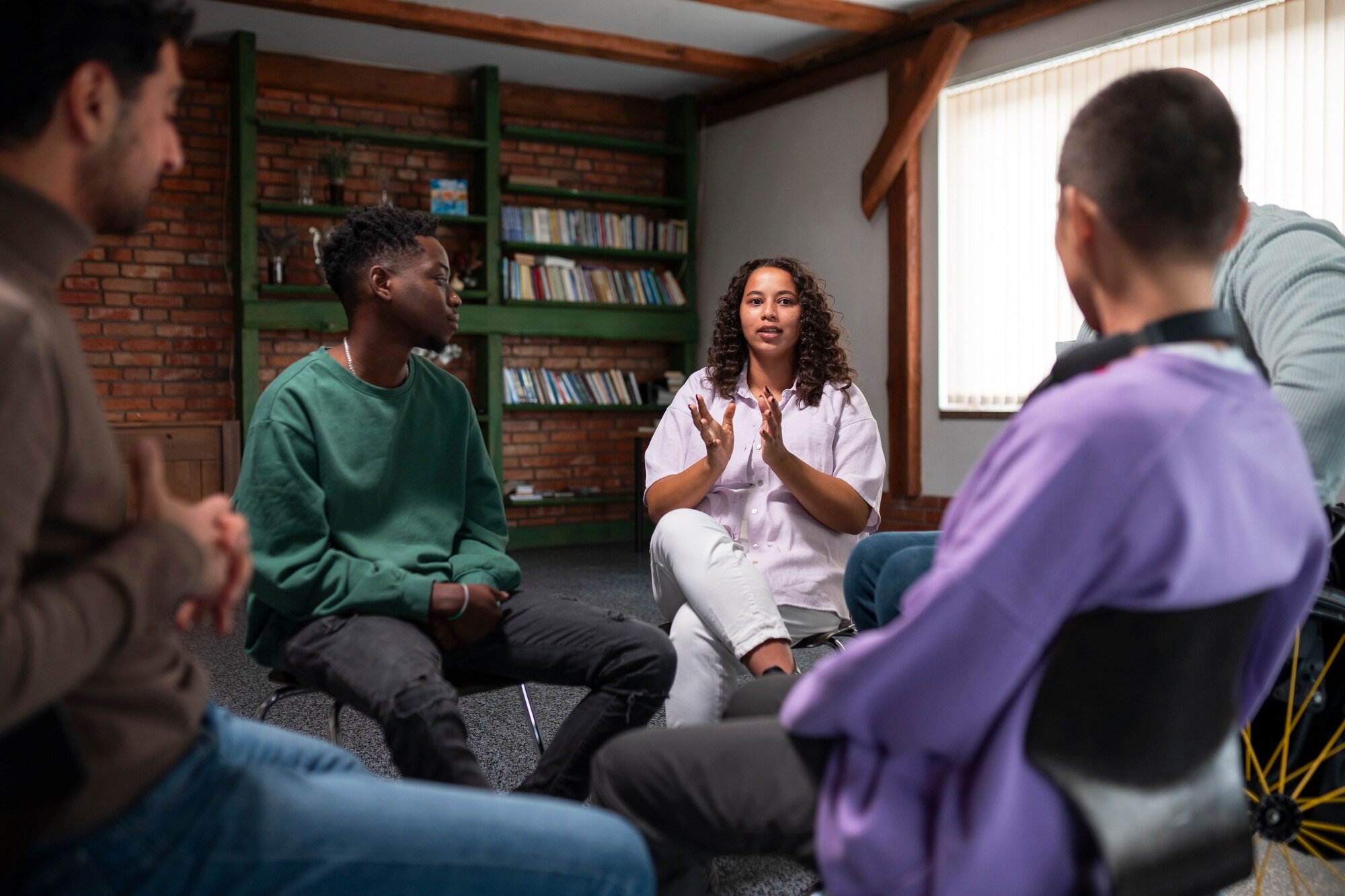
Exploring how therapy can adapt to diverse populations reveals its transformative power. By embracing these methods, therapy becomes accessible and welcoming to all, creating a sense of belonging.
Inclusive Therapy Practices
Inclusive therapy practices mean more than just welcoming everyone. It involves creating a safe space where every identity is valued. For you, this could mean feeling comfortable discussing cultural or personal topics that matter. Therapists achieve this by using inclusive language and adapting their methods to suit individual needs. For example, a therapist might incorporate cultural traditions into sessions, making therapy feel more relevant to your life.
Creating an inclusive environment also involves continuous learning. Therapists often participate in training that helps them understand the nuances of different cultures. This commitment to growth ensures that they can address any biases and improve their practice. When you see that effort, it builds trust and fosters a stronger therapeutic relationship.
LGBTQIA+ Friendly Therapy
Therapy that supports the LGBTQIA+ community is essential for creating an affirming experience. You deserve a space where you can explore your identity without fear of judgment. LGBTQIA+ friendly therapy means therapists are knowledgeable about the unique challenges faced by this community. They use inclusive language and are open to discussing topics related to gender and sexual orientation.
Moreover, therapists who support LGBTQIA+ individuals often participate in community events and advocate for equal rights. This involvement shows their dedication and understanding. When you see your therapist actively supporting your community, it reinforces the idea that you’re in a safe and supportive environment. By fostering this kind of therapy, mental health services become more accommodating for everyone.
Holistic Therapy Approaches

Exploring holistic therapy approaches enriches the healing journey. These methods not only address mental health but consider every aspect of your life, leading to more profound growth and understanding.
Integrating Cultural Backgrounds
Integrating cultural backgrounds into therapy enhances its effectiveness. When your therapist acknowledges your cultural heritage, it validates your experiences and perspectives. This might include discussing how cultural values influence your relationships or decisions. A therapist who recognizes these factors can help you navigate challenges more effectively.
For some, this integration involves incorporating cultural practices into therapy. This could mean using traditional healing methods alongside conventional therapy, creating a more comprehensive approach. By valuing your cultural background, therapy becomes a more personalized and impactful experience.
Mental Health Support for All 🌈
Finally, mental health support should be accessible to everyone, regardless of background or identity. Holistic therapy ensures that your mental health journey considers all aspects of your life. This approach might involve combining different therapeutic methods to address your unique needs.
By supporting diverse populations, therapy becomes a tool for empowerment and growth. When you feel understood and respected, you’re more likely to engage in therapy and see positive changes. Remember, your mental health is important, and finding the right support can make all the difference.
In conclusion, culturally competent therapy is essential for effective mental health care. By embracing diversity and inclusive practices, therapy becomes a more welcoming and transformative experience for everyone.