
Breathe Easier: Gentle Techniques to Manage Anxiety and Stress
Breathe Easier: Gentle Techniques to Manage Anxiety and Stress
Breathing feels automatic, yet it holds surprising power over how you handle anxiety and stress. Simple breathing techniques can gently calm your nervous system, helping you find peace in moments that feel overwhelming. This post shares easy, practical methods like diaphragmatic breathing and box breathing, plus tips on fitting them into your day—whether you’re at home, school, or work. Let’s explore how mindful breathwork can support your wellbeing, with guidance from Anam Cara Therapy’s inclusive online and in-person services. Explore more about breathing exercises for stress.
Introduction to Breathing Techniques
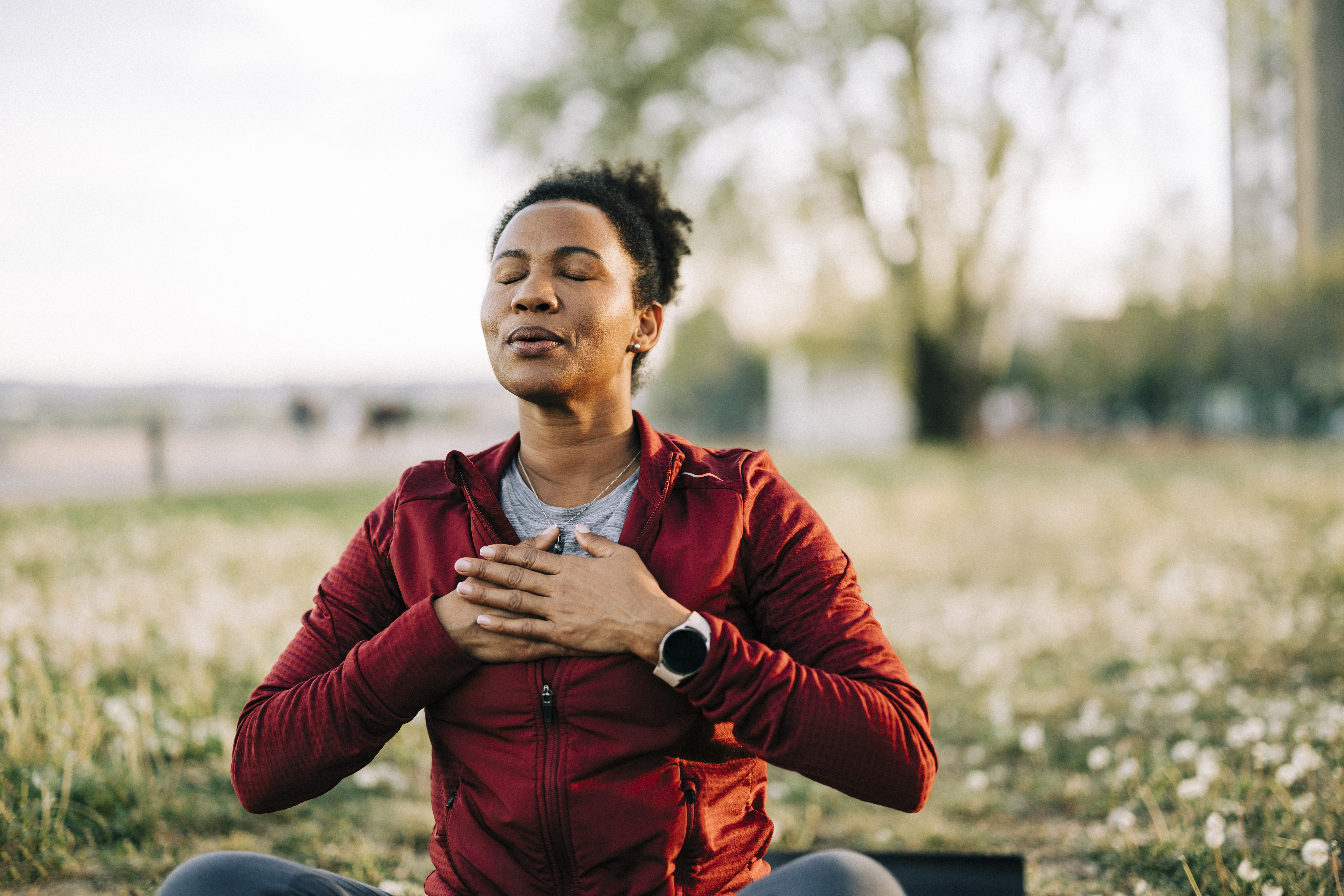
Breathing isn’t just a basic function; it’s a tool you can use to handle stress better. Mastering a few techniques can offer a path to calmness and resilience.
Importance of Breathwork
Breathwork is more than just inhaling and exhaling. It’s about using your breath as a tool to soothe your mind and body. Picture this: you’re feeling tense, and then you start focusing on your breath. Slowly, you notice the tension easing. That’s the power of breathwork. By making it a part of your day, you can handle stress with more ease. It can even improve your focus and energy levels. Most think it takes hours of practice, but even a few minutes can make a difference.
How Breathing Affects the Nervous System
Breathing impacts your nervous system in fascinating ways. When you’re stressed, your body goes into fight-or-flight mode. But deep, controlled breathing sends signals to your brain to calm down. This slows your heart rate and reduces stress. Imagine a wave of calm washing over you just by changing how you breathe. Read more about the connection between breathing and the nervous system. With practice, you’ll find that your breath can be a powerful ally against anxiety.
Simple Strategies for Anxiety Relief

With a basic understanding of how breathing influences stress, let’s dive into some simple techniques that can bring relief.
Diaphragmatic Breathing Explained
Diaphragmatic breathing, also known as belly breathing, is about using your diaphragm efficiently. When you’re anxious, you might notice shallow breathing from your chest. This technique teaches you to breathe deeply using your abdomen.
Find a comfortable position. Sit or lie down.
Place one hand on your chest and the other on your belly. Breathe in through your nose so your stomach pushes against your hand.
Exhale slowly through your mouth. Feel your belly move back down.
Practicing this for a few minutes daily can ease anxiety and improve your overall wellbeing. The longer you wait to try it, the longer you’ll miss out on its calming benefits.
Mastering Box Breathing
Box breathing is a simple, structured method that’s easy to remember. It’s about breathing in a square pattern, hence the name.
Inhale slowly for a count of four.
Hold your breath for a count of four.
Exhale for a count of four.
Hold again for a count of four.
Repeat this cycle 3-4 times. It’s a handy tool to use before a stressful meeting or when you find your mind racing. Box breathing is a favourite among many because it’s both grounding and easy to incorporate into daily routines. Learn more about the benefits of box breathing.
Everyday Stress Management Tools
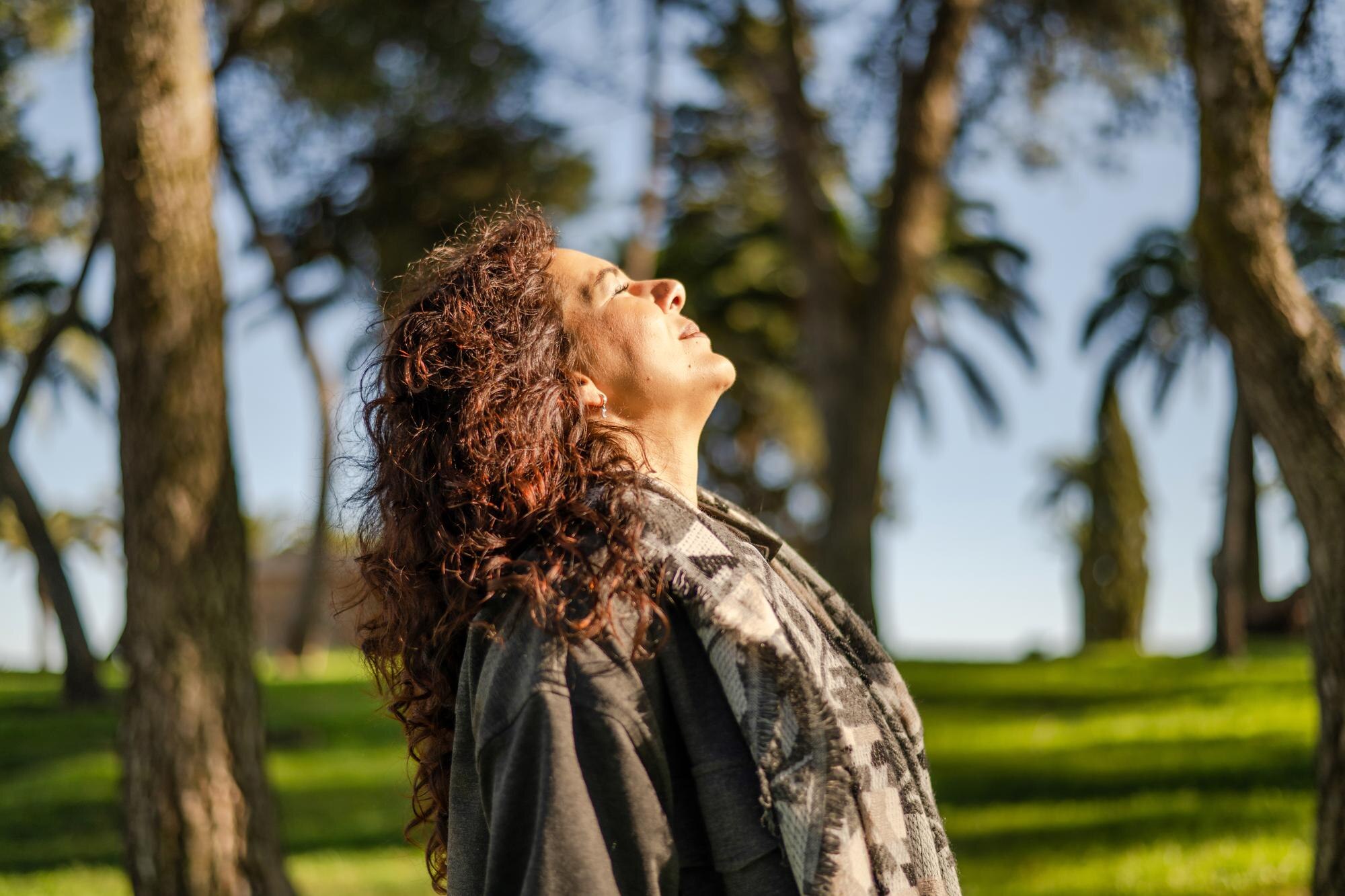
Now that you’ve got some techniques under your belt, let’s explore more ways to manage stress daily.
Practising 4-7-8 Breathing
The 4-7-8 technique helps bring about a sense of calm. It’s an effective way to ease into relaxation, especially before sleep.
Inhale quietly through your nose for four counts.
Hold your breath for seven counts.
Exhale completely through your mouth for eight counts.
This method is a quick reset for your mind. Practising it regularly can enhance your sleep quality and reduce stress. It’s like a natural tranquillizer for your nervous system.
Vagus Nerve Stimulation with Humming
Humming can stimulate the vagus nerve, which plays a role in regulating your nervous system. When you hum, it creates vibrations that can promote relaxation.
Try this: Sit comfortably, take a deep breath, and hum as you exhale. Feel the vibrations in your chest and throat. This simple act can boost your mood and help you feel more centred. It’s an excellent way to bring mindfulness into your day.
By integrating these techniques into your life, you’re building a toolkit for managing stress and anxiety. Remember, the key to success is consistency. With regular practice, these methods can become your go-to allies in maintaining a calm and balanced mind. For more insights, explore these stress-management exercises.